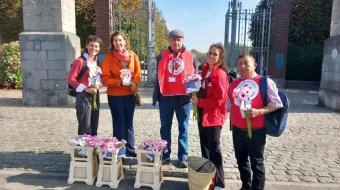
Visit-a-Senior/ Reliage

Visit-a-Senior/ Reliage
In a nutshell
The Visit-a-Senior project, led by the Belgian Red Cross, aims to combat loneliness and social isolation among older people through regular visits at home or in residential care facilities. Based on listening, human connection and companionship, the project helps maintain social ties, improve beneficiaries’ well-being and strengthen local solidarity networks. It also promotes intergenerational exchanges through the involvement of young volunteers.
Context
Loneliness among older people is a growing concern, linked in particular to population ageing, social isolation, financial vulnerability and the loss of family and social networks. This situation can have significant consequences for well-being, mental and physical health, self-confidence and the ability to remain living independently at home.
In response to these diverse needs, it is essential to provide solutions that are human-centred, accessible and tailored to each individual situation, while strengthening local solidarity networks and social participation.
The project
Within this framework, the Belgian Red Cross runs the Visit-a-Senior programme, which is based on relational support provided by volunteers trained in active listening, confidentiality, interpersonal skills and the boundaries of their support role.
The project offers:
- regular visits at home or in residential care facilities;
- moments of conversation, listening and companionship;
- simple shared activities (discussion, walks, leisure activities, etc.);
- intergenerational encounters that foster exchanges between generations;
- guidance towards activities, services or local initiatives when relevant to the beneficiary’s needs.
Each visit is tailored to the needs, abilities and pace of the person being supported, while respecting their autonomy. The project also works closely with local stakeholders to reach the most vulnerable individuals and strengthen community solidarity.
Impact
The project helps to:
- reduce feelings of loneliness;
- strengthen social connections and quality of life;
- support beneficiaries’ emotional well-being;
- improve self-confidence and sense of security;
- encourage social participation and access to local resources;
- support independent living at home;
- promote intergenerational exchanges and challenge age-related stereotypes.
By creating a regular, caring and lasting presence, the project enables older people to remain connected to their environment, maintain their daily balance and strengthen their social inclusion.